
How do you install a zinc roofing sheet properly?
install a zinc roofing sheet properly
Zinc is a highly durable and attractive roofing and cladding material that will give long and almost maintenance-free service if designed and installed properly. However, like any material that is exposed to the elements it can be susceptible to premature corrosion and deterioration if not designed correctly and/or installed improperly. This article is intended to provide a guide for designers and installers regarding the nuances of zinc roof and facade construction so that the longevity of the zinc is maximised.
The first step in installing a zinc roofing sheet is to prepare the surface. This is done by removing all existing loose materials and cleaning the surface to ensure it is clean, dry, and ready for the zinc sheets. The next step is to apply a high-quality metal-specific adhesive. This is done by applying a generous amount of the adhesive to the length of the zinc sheet, ensuring even coverage. Finally, the zinc strips are placed on the roof and secured with screws for extra stability and to prevent the strips from moving during the weathering process.
Once the zinc has been installed, it is important to regularly inspect and maintain the system. This includes removing any debris or moss accumulation, as well as checking for any signs of damage or leaks. If any repairs are required, they should be made promptly to avoid further deterioration. Additionally, it is recommended to periodically apply a protective coating to the surface of the zinc, as this will help to further protect the material from harmful elements.
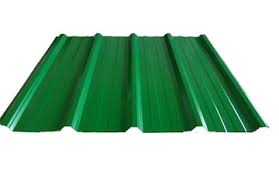
How do you install a zinc roofing sheet properly?
When working with zinc it is essential to use proper safety equipment, such as gloves and eye protection. Zinc panels can have sharp points and edges, so it is important to handle them carefully to avoid injury. In addition, the gloves should be specially formulated to prevent staining from the natural oils on the skin.
The rolling direction of zinc is indicated on the protective film and should be respected when laying the panels. This is because zinc reflects light differently when laid in different directions, and this can lead to unevenness and discolouration of the panel. It is also important to pay attention when folding the zinc, as it must be rolled in a way that creates a gentle radius rather than a sharp fold, which can cause damage and premature deterioration of the product.
In addition, when installing a zinc roof or wall it is crucial to provide an airspace and drainage plane between the backside of the panel and the underlayment. This can be achieved by installing alternate furring that runs parallel and then perpendicular to the roof slope. The alternating furring will also help to inhibit the formation of moss on the upturned side of the panel.
If a shingle-style roof is being installed, it is also important to remember that zinc does not work well with nail-applied shingles, which will often pull away from the underlying metal and leave exposed areas where water can collect and cause leakage and corrosion. In these cases, a standing seam roof is usually the best solution.