
What are the key differences between a basic and advanced drone controller?
key differences between a basic and advanced drone controller
A drone controller is the primary interface used to operate a drone, and it plays a vital role in how a drone performs. The controller sends commands to the drone, guiding its movement and various functions. There are two main types of drone controllers: basic and advanced. Each has its features, functionalities, and complexities, catering to different user needs and levels of experience. Understanding the key differences between these two can help drone enthusiasts choose the right one for their needs.
The most noticeable difference between a basic and advanced drone controller is the design and ease of use. Basic controllers are usually more straightforward, with fewer buttons and controls. They are designed for beginner pilots and focus on simplicity. These controllers typically feature a few essential buttons such as takeoff, landing, and directional controls. They may also have a button to activate the drone’s camera. On the other hand, advanced drone controllers are more complex and feature a range of additional buttons and joysticks. These controllers cater to professional and experienced drone operators who need precise control and additional functionality for specialized tasks, such as filming, surveying, or racing.
Another key difference lies in the range and connectivity. Basic drone controller often operate at shorter ranges, usually within a few hundred meters. They are typically connected to the drone via Bluetooth or a simple wireless link, offering limited control distance. Advanced controllers, however, offer longer range capabilities, sometimes exceeding several kilometers. These controllers use more robust communication methods, such as Wi-Fi or radio frequency (RF), to maintain a stable connection even at greater distances. This extended range is particularly useful for professional applications like aerial photography, where the operator may need to control the drone from far away.
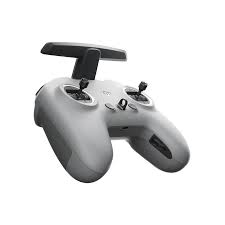
What are the key differences between a basic and advanced drone controller?
The level of customization and control offered by the controller is another defining difference. A basic drone controller offers limited customization. Most settings, like speed or flight modes, are preset, and there are few options for adjusting flight dynamics. In contrast, advanced controllers provide more control options, allowing users to customize settings like camera angles, flight modes, or the drone’s responsiveness to inputs. These controllers often have built-in screens or can connect to mobile apps to display live video feeds, telemetry data, and other real-time information, which helps the pilot make informed decisions.
Battery life is another important factor to consider. Basic controllers typically have a shorter battery life due to the simpler technology inside. These controllers can last for around an hour or so on a single charge. However, advanced controllers are equipped with more powerful batteries, and they often last longer, especially if they support additional features like large touchscreen displays or built-in GPS. The extended battery life of advanced controllers is crucial for longer flight times and the demands of professional drone operations.
Finally, price is a significant distinguishing factor. Basic drone controllers are more affordable and generally come bundled with entry-level drones. These are perfect for recreational flyers or those just starting with drones. Advanced controllers, on the other hand, come at a higher price point. They are often sold with high-end drones, which are aimed at professionals who need advanced features and performance. The added cost is justified by the enhanced capabilities and better performance of these controllers, which provide the precision and functionality required for commercial or expert drone use.
In summary, the key differences between basic and advanced drone controllers stem from their design, range, control options, battery life, and price. While basic controllers are perfect for beginners due to their simplicity and lower cost, advanced controllers offer the precision, range, and customization necessary for professional drone operations. Choosing between the two depends largely on the user’s experience level and the intended use of the drone.