
What Is a Rigid-Flex Printed Circuit Board?
Rigid-Flex Printed Circuit Board
Rigid-flex printed circuit boards are a vital component in a wide range of electronic devices, from consumer electronics like tablets and laptop computers to sophisticated military/defense equipment. They offer a combination of the best features from both rigid and flexible PCBs, including maximum space efficiency and high reliability.
Rigid flex PCBs are often designed with a mixture of materials, including traditional rigid copper-based laminates (such as FR4), along with flex or multi-layer PCB sections that are built up from conductive materials such as silver ink and gold. The rigid PCB section is then combined with a flexible circuit board in a process known as lamination. The result is a single, integrated unit that can be bent, folded, creased, or curved without damaging the circuitry underneath.
In addition to the PCB laminates, a rigid-flex printed circuit board can also include metal stiffeners or other materials that provide additional structural support. In general, stiffeners are used to reduce the amount of flexing that occurs in areas where a rigid-flex PCB is expected to be bended or flexed. Stiffeners can be placed on either one or both sides of the rigid-flex circuit board, depending on the design and application.
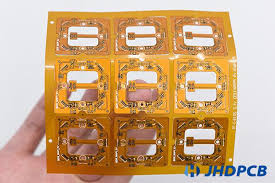
What Is a Rigid-Flex Printed Circuit Board?
A rigid-flex circuit may also incorporate a range of other materials to improve quality, performance, and manufacturability. These materials are typically chosen based on their ability to meet electrical and mechanical requirements, such as temperature resistance, moisture tolerance, or strength. Conductor materials can include copper, electrodeposited or rolled annealed copper, nickel, aluminum, Constantan, Inconel, and silver ink.
The adhesives that are used to bond the substrate and conductor layers together can also make a big difference in the final product. For example, polyimide is a popular choice due to its exceptional heat resistance and ability to stand up to repeated movements and vibrations. Other types of adhesives are available, depending on the specific requirements of each project.
Rigid-flex circuits also eliminate the need for extra connectors and cables to interconnect the rigid and flex sections of the circuit board, which helps cut assembly and testing costs and speed up production times. Additionally, they are more aesthetically pleasing than traditional rigid PCBs and cable assemblies.
A rigid-flex circuit can help improve the functionality of a device, especially in environments where it will be exposed to harsh weather conditions. This is because the rigid-flex circuit is less likely to damage from environmental factors like moisture, corrosion, and thermal cycling, since it can be more easily adapted to the changing environmental conditions.
Using a rigid-flex PCB in your next product can bring many advantages, but it’s important to understand the challenges that come with this type of design. Working closely with your fabricator and ensuring that all aspects of the design are addressed is critical to ensuring a successful, robust, and reliable finished product. To learn more about designing a rigid-flex circuit board, speak to a professional at TTM today. We have the expertise to ensure that your new design meets all of the requirements for manufacturing success.