
How Do Beginners Do Piano Transcriptions?
Beginners Do Piano Transcriptions
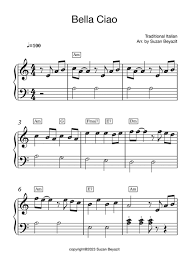
As beginners, many musicians are overwhelmed by the complexities of reading music. Piano is no exception to this. What sets it apart from other keyboard instruments, however, is that piano sheet music is written across two staves – what we call the Grand Staff. This is where the treble and bass clefs can be found, and that’s where all the notes of the musical alphabet exist. So, a beginner pianist will have to be able to read both these clefs simultaneously, something that can take time to get used to.
Thankfully, there are some strategies that can help the beginner learn to read music more quickly. The first is to choose the right kind of music for transcribing. It has to be music that you can easily identify the melodies and chord progressions of – this is why classical music works well (as opposed to say, pop/theme tune arrangements).
Once you’ve chosen your piece of music it’s helpful to slow it down using transcription software. This will make it much easier to work out what the chords are and where to place your fingers on the piano keyboard. It also gives you a chance to practice separating the rhythms in your fingers and training your ears to identify them. This will help you be able to transcribe any rhythms that you might come across in future.
How Do Beginners Do Piano Transcriptions?
When you’re working out the chords, a good way to figure them out is to sing the notes to yourself. This will allow you to hear what the individual notes sound like and if there are any sharps or flats involved in the chord. It will also help you to see if any of the notes are being played on the chromatic scale, which is very useful when learning to read music and understand what the chords are really about.
Next, it’s important to note the key of the piece of music you’re trying to transcribe. This will then give you a reference point as to where the harmonies are in relation to the bass line. This will enable you to write out the chords correctly and make sure that your harmonies are correct as you play them back on your piano.
However, piano transcription is not without its challenges. Adapting music written for other instruments or ensembles to the piano requires a deep understanding of both the original composition and the capabilities of the piano. Pianists must grapple with questions of orchestration, harmony, and texture, striving to capture the essence of the original work while imbuing it with their own interpretive flair.
You should also be familiar with the scale patterns of both the major and minor scales, so that you can identify these in the pieces of music you’re listening to. It’s also helpful to be able to recognise intervals and to know how many steps up or down you need to move on the keyboard to reach different notes. This is why it’s so important to practice your piano scales – you can test yourself by stopping the music after moving up or down a number of steps and seeing if you can name the note you are on without looking at the keyboard. Practice this often, and you’ll find that it becomes quicker with time!