
How successful are dental implants in the long term?
When evaluating tooth replacement options, patients often want evidence that their choice will stand the test of time. dental implants have earned a strong reputation for durability and reliability, making them a preferred solution for many individuals. Beyond clinical performance, long-term success also depends on informed decision-making, cost clarity, and the ability to compare treatment options wisely—factors that help patients protect both their oral health and their budget.
Measuring Long-Term Success of Dental Implants
Long-term success for dental implants is typically defined by stability, function, comfort, and appearance over many years. Clinical studies consistently show high success rates, but understanding what drives these outcomes helps patients set realistic expectations and plan responsibly.
Documented Success Rates Over Time
Research indicates that implant success rates often exceed 95% over ten years when placed under proper conditions. Many implants remain functional for 20 years or more without complications. This longevity makes implants a strong investment compared to alternatives that may require frequent replacement or adjustment, increasing cumulative costs.
Biological Factors That Support Longevity
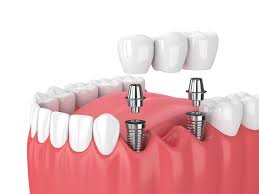
A major reason dental implants perform so well long term is their ability to integrate with the jawbone. Once healed, the implant functions like a natural tooth root, preserving bone structure and preventing the facial collapse often seen with tooth loss. Patients with good overall health and adequate bone density tend to experience the most consistent outcomes.
Role of Professional Expertise
The clinician’s experience plays a critical role in long-term success. Accurate placement, proper angulation, and thorough treatment planning reduce stress on the implant over time. Patients who compare providers based on credentials, technology, and transparent pricing are more likely to achieve stable results while avoiding unnecessary expenses.
Maintenance and Patient Responsibility
Even the most advanced implant requires care. Daily brushing, flossing, and routine dental visits are essential to prevent inflammation around the implant. Neglect can lead to peri-implant complications that compromise success. Patients who commit to maintenance protect their investment and reduce the likelihood of costly corrective procedures.
Impact of Lifestyle and Habits
Smoking, poor nutrition, and unmanaged medical conditions can significantly lower long-term success rates. These factors affect healing and bone stability. Patients who understand these risks can make lifestyle changes that improve outcomes and enhance the overall value of their treatment.
Financial Perspective and Long-Term Value
While implants may cost more initially, their long lifespan often results in lower lifetime expenses compared to bridges or dentures. Access to clear pricing and comparison tools helps patients assess true long-term value rather than focusing solely on upfront costs. Educational resources and brief insights available through platforms like jforh.com support smarter financial planning for dental care.
From a scientific standpoint, implant success is closely tied to bone remodeling, the natural process by which bone adapts to stress and maintains strength. This ongoing adaptation helps implants remain stable under normal chewing forces for many years.
In conclusion, dental implants demonstrate excellent long-term success when supported by proper placement, healthy habits, and consistent care. Patients who take time to understand both the clinical evidence and the financial implications are better positioned to make confident, sustainable healthcare decisions that benefit them well into the future.