
When can I exercise after gynecomastia surgery?
exercise after gynecomastia surgery
One of the most common concerns patients have after undergoing male chest reduction is, “When can I exercise after gynecomastia surgery?” Returning to physical activity is an important part of daily life for many men, especially those who regularly work out or participate in sports. While gynecomastia surgery is generally safe and effective, giving your body enough time to heal before resuming exercise is essential for achieving the best possible results and avoiding complications.
Immediately after gynecomastia surgery, your primary focus should be rest and recovery. During the first few days, it is normal to experience swelling, bruising, and mild discomfort in the chest area. Light walking is usually encouraged within a day or two, as it helps promote healthy blood circulation and reduces the risk of blood clots. However, this activity should be gentle and limited to short distances. Strenuous movements, lifting, or raising your arms above shoulder level should be avoided during this initial stage.
Most surgeons recommend avoiding intense exercise for at least two to three weeks after gynecomastia surgery. During this period, your body is still healing internally, even if the external incisions appear to be improving. Engaging in vigorous activities too soon can increase swelling, cause bleeding, or disrupt the healing tissues. It is particularly important to avoid chest-focused exercises such as push-ups, bench presses, and weightlifting, as these movements place direct strain on the surgical area.
By the third or fourth week after gynecomastia surgery, many patients are able to gradually resume lower-body workouts, such as stationary cycling or light leg exercises, provided they feel comfortable and have their surgeon’s approval. It is crucial to listen to your body during this time. If you experience increased swelling, pain, or discomfort, you should scale back your activity level and consult your surgeon. Recovery timelines can vary depending on the extent of the procedure and individual healing rates.
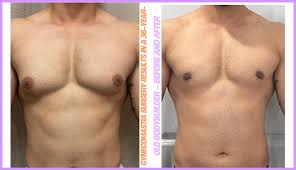
When can I exercise after gynecomastia surgery?
Upper-body and chest exercises typically require a longer waiting period. In most cases, patients are advised to wait four to six weeks before reintroducing moderate upper-body workouts. Even then, the return to exercise should be gradual. Start with lighter weights and fewer repetitions to test your comfort and strength. Jumping back into your previous workout intensity too quickly after gynecomastia surgery can compromise your results or lead to complications such as fluid buildup or widened scars.
For individuals who participate in high-impact sports or heavy strength training, a full return to unrestricted activity may take six to eight weeks or longer after gynecomastia surgery. Your surgeon will assess your healing progress during follow-up appointments and provide personalized recommendations. Wearing a compression garment as directed can also support healing and reduce swelling, especially when you begin moving more frequently.
It is important to remember that every patient heals differently. Factors such as age, overall health, the extent of tissue removal, and adherence to post-operative instructions all influence recovery time. Maintaining a healthy diet and staying hydrated can help your body repair itself more efficiently. Adequate sleep is also essential, as it allows your tissues to regenerate and reduces inflammation.
Patience is key when returning to exercise after gynecomastia surgery. While it may be frustrating to take a temporary break from your routine, allowing proper healing ensures that you protect your investment in the procedure. Rushing back into strenuous activity can lead to setbacks that prolong recovery.
Ultimately, the safest answer to “When can I exercise after gynecomastia surgery?” depends on your individual case and your surgeon’s guidance. By following professional advice, gradually easing back into physical activity, and paying attention to your body’s signals, you can safely return to your workouts while preserving the improved chest contour achieved through gynecomastia surgery.