
Are fast turn rigid flex pcbs more expensive than other types?
fast turn rigid flex pcbs more expensive than other types
The cost of fast turn rigid-flex PCBs is a common concern for manufacturers and designers alike, particularly when compared to other types of PCBs. In this article, we’ll explore the factors that contribute to the cost of fast turn rigid-flex PCBs and whether they are indeed more expensive than other types of PCBs.
Firstly, it’s important to understand the unique characteristics of fast turn rigid-flex PCBs that can influence their cost. These specialized PCBs combine the flexibility of flex circuits with the rigidity of traditional rigid boards, offering a versatile solution for designs that require both flexibility and structural integrity. The manufacturing process for fast turn rigid-flex PCBs is more complex and time-consuming compared to traditional rigid or flexible PCBs, which can contribute to higher production costs.
Moreover, the materials used in the construction of fast turn rigid flex pcb are often more expensive than those used in other types of PCBs. Flexible polyimide film, which is commonly used as the substrate material for the flexible sections of rigid-flex PCBs, tends to be more costly than traditional rigid substrate materials such as FR4. Additionally, the adhesives and bonding materials used to laminate the rigid and flexible sections together also add to the overall cost of the PCB.
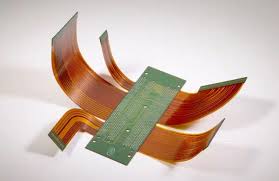
Are fast turn rigid flex pcbs more expensive than other types?
Another factor that can influence the cost of fast turn rigid-flex PCBs is the complexity of the design. Because these specialized PCBs are capable of integrating multiple layers of rigid and flexible materials into a single unit, they offer greater design flexibility compared to other types of PCBs. However, this flexibility also comes with added complexity, which can increase manufacturing costs. Designs that require intricate routing, tight tolerances, or advanced features such as blind and buried vias may incur higher fabrication costs.
Furthermore, the demand for fast turn rigid-flex PCBs may also impact their cost. As these specialized PCBs become increasingly popular in industries such as aerospace, automotive, and medical devices, the supply chain may experience fluctuations in availability and pricing. High demand coupled with limited supply can drive up costs for fast turn rigid-flex PCBs, making them more expensive than other types of PCBs.
However, despite their potentially higher cost, fast turn rigid-flex PCBs offer several advantages that can justify the investment for many applications. These include reduced assembly complexity, improved reliability and durability, enhanced design flexibility, and faster time-to-market. By streamlining the production process, minimizing the need for interconnects and connectors, and enabling the creation of compact and lightweight designs, fast turn rigid-flex PCBs can ultimately help manufacturers lower overall costs and improve the competitiveness of their products in the marketplace.
In conclusion, while fast turn rigid-flex PCBs may indeed be more expensive than other types of PCBs, their unique features and capabilities can justify the investment for many applications. By understanding the factors that contribute to their cost and weighing the benefits against the expenses, manufacturers and designers can make informed decisions about whether fast turn rigid-flex PCBs are the right choice for their specific needs.