
How do the latest new bikes improve fuel efficiency?
new bikes
In today’s fast-evolving automotive landscape, fuel efficiency has become a major focus for both manufacturers and riders. As fuel prices continue to fluctuate, the demand for new bikes that deliver better mileage without compromising performance is stronger than ever. Modern motorcycles are incorporating cutting-edge technologies and advanced engineering to enhance fuel efficiency, making them more economical and environmentally friendly. Let’s explore how the latest new bikes are pushing the boundaries to deliver improved fuel economy.
One of the key innovations in improving fuel efficiency is the introduction of advanced fuel injection systems. Unlike traditional carburetors, which rely on mechanical processes to mix fuel and air, electronic fuel injection (EFI) systems deliver precise amounts of fuel based on real-time engine needs. This optimized fuel delivery reduces waste, enhances combustion, and significantly improves fuel efficiency. Most new bikes now feature EFI systems, allowing riders to enjoy better mileage and smoother performance under varying conditions.
Another major advancement contributing to better fuel economy is the integration of lightweight materials. Manufacturers are increasingly using aluminum alloys, carbon fiber, and other lightweight components to reduce the overall weight of motorcycles. Lighter bikes require less energy to accelerate and maintain speed, ultimately consuming less fuel. This focus on reducing weight without compromising durability has become a hallmark of New Bikes, making them both fuel-efficient and performance-driven.
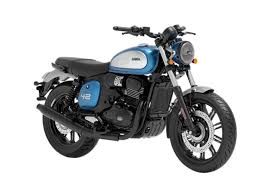
How do the latest new bikes improve fuel efficiency?
Modern engine designs also play a crucial role in improving fuel efficiency. The latest new bikes feature refined engine architecture, including advanced combustion chambers and improved cooling systems. Technologies like variable valve timing (VVT) adjust the engine’s valve operation based on riding conditions, ensuring optimal fuel consumption whether you’re cruising on highways or navigating city traffic. This innovation maximizes power output while minimizing fuel consumption, striking a perfect balance between performance and economy.
Aerodynamic improvements further enhance the fuel efficiency of new bikes. Sleek, wind-tunnel-tested designs reduce drag and improve overall riding dynamics. Reduced air resistance allows the engine to work more efficiently, particularly at higher speeds. Many premium and commuter bikes are now designed with aerodynamic fairings, streamlined bodywork, and optimized riding positions to deliver better fuel efficiency while enhancing the rider’s comfort and control.
Another significant development is the adoption of smart riding modes and eco-assist technology. Many new bikes come equipped with multiple riding modes that adjust engine performance to suit different conditions. Eco-modes, in particular, prioritize fuel efficiency by limiting engine output and optimizing throttle response. Additionally, start-stop technology, which automatically shuts off the engine during idle moments (like traffic signals), helps conserve fuel during city commutes.
Tire technology is another unsung hero in enhancing fuel efficiency. Manufacturers are using low rolling resistance tires that require less energy to move. These specialized tires, combined with advanced suspension systems, reduce friction and improve fuel economy without compromising safety or performance. As a result, new bikes are more efficient on long journeys and in daily use.
In conclusion, the latest new bikes are designed with a comprehensive approach to improving fuel efficiency. Through advanced fuel injection, lightweight materials, modern engine technology, aerodynamic designs, and smart riding modes, manufacturers are delivering motorcycles that are not only economical but also powerful and enjoyable to ride. For more insights on the newest models, industry trends, and expert reviews, visit AutosXP.com, your trusted source for all things automotive.