
What are the environmental considerations in Printed circuit assembly services?
environmental considerations in Printed circuit assembly services
Printed circuit assembly (PCA) services, while integral to modern electronics manufacturing, are not without their environmental implications. As the demand for electronic devices continues to rise, so does the need for sustainable practices within the industry. Addressing environmental considerations in PCA services is crucial for minimizing the ecological footprint of electronic production and promoting long-term environmental stewardship.
One of the primary environmental considerations in printed circuit assembly services is the management of electronic waste, commonly referred to as e-waste. Electronic devices contain various hazardous materials, including lead, mercury, cadmium, and brominated flame retardants, which can pose significant risks to human health and the environment if not properly managed. Recycling and responsible disposal of e-waste are essential to prevent these hazardous substances from leaching into soil and waterways, contaminating ecosystems, and endangering wildlife.
Moreover, the manufacturing processes involved in PCB fabrication and assembly can have a significant environmental impact, particularly in terms of energy consumption, resource utilization, and emissions of greenhouse gases and other pollutants. Implementing energy-efficient manufacturing technologies, optimizing production processes, and adopting cleaner production techniques are key strategies for reducing the environmental footprint of PCA services. This includes investing in renewable energy sources, such as solar or wind power, and implementing energy management systems to minimize electricity usage.
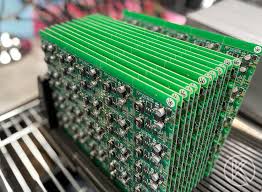
What are the environmental considerations in Printed circuit assembly services?
Furthermore, the selection of materials used in PCB manufacturing and assembly plays a crucial role in determining the environmental sustainability of electronic products. Opting for eco-friendly materials, such as lead-free solder alloys, halogen-free substrates, and recyclable packaging materials, can help reduce the environmental impact of PCA services. Additionally, using materials with longer lifespans and higher durability can contribute to the longevity of electronic devices, reducing the frequency of replacements and the associated environmental burden.
Another important consideration in PCA services is the reduction of greenhouse gas emissions throughout the supply chain. This includes transportation emissions associated with the shipping of raw materials, components, and finished products, as well as emissions from manufacturing facilities and distribution centers. Implementing strategies to minimize transportation distances, optimize logistics routes, and use low-emission transportation modes can help mitigate the environmental impact of PCA services and contribute to overall carbon reduction efforts.
In addition to mitigating environmental impacts, PCA services can also play a role in promoting environmental sustainability through product design and innovation. Designing electronic devices with modular and upgradeable components, as well as incorporating features such as energy efficiency and recyclability, can extend the lifespan of products and reduce resource consumption over time. Furthermore, embracing emerging technologies, such as additive manufacturing and printed electronics, can enable more sustainable manufacturing processes with reduced material waste and energy consumption.
Overall, addressing environmental considerations in printed circuit assembly services is essential for promoting sustainable practices within the electronics industry. By managing electronic waste, optimizing manufacturing processes, selecting eco-friendly materials, reducing greenhouse gas emissions, and promoting product design for sustainability, PCA services can minimize their environmental footprint and contribute to a more sustainable future. Through collaboration between industry stakeholders, policymakers, and consumers, it is possible to achieve a balance between technological advancement and environmental preservation in the realm of electronics manufacturing.