
What is the role of soldering in printed circuit prototypes?
role of soldering in printed circuit prototypes
Soldering connects the component leads to the copper track on a printed circuit board. It is a crucial process to ensure that the components and tracks are properly aligned, and the solder joints are strong and reliable. Soldering also allows for testing of the components to verify that they function correctly. Whether it is used in high-volume production or for prototypes, proper PCB soldering will improve the quality and reliability of the final product.
Soldering involves bonding components to a printed circuit board (PCB) with molten solder. The numerous techniques, alloys, and fluxes used for printed circuit prototype soldering can create complex manufacturing problems when not performed well. The right tools, training, and maintenance can prevent these issues from arising in your PCB assembly processes.
Before soldering, the PCB and components should be cleaned thoroughly. This removes any contaminants that could cause shorting or other problems during the soldering process. A clean workspace can also help increase precision and reduce the risk of damage to the PCB during soldering.
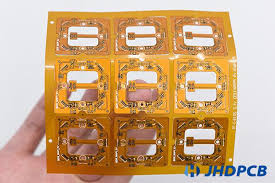
What is the role of soldering in printed circuit prototypes?
In most cases, PCBs are assembled using reflow soldering. During this process, the solder paste is applied to the surface of the board, then the components are placed on top. The boards then pass through a conveyor-based reflow oven, melting the solder paste and bringing the components in contact with each other. The hot molten solder then melts and adheres to the copper track, binding them together into a solid joint.
The temperature of the soldering iron is an important variable that affects the efficiency and quality of the soldering process. Operators may turn up the heat to get more soldering done in less time, but this can lead to problems later on as the excessive heat damages the soldering tip. Likewise, operators should avoid touching the tip to the PCB or components for too long during soldering to keep the temperature in check.
Soldering flux is a liquid that contains chemicals to clean the PCB and components, as well as to help soldering flow smoothly. It also removes oxidation and inhibits further oxidation by blocking air from reaching the solder. It is essential to use the correct type of flux for a particular application to ensure a smooth and efficient soldering process.
While most PCBs are fabricated and soldered in high-volume production facilities with pick-and-place machines and bulk wave or reflow soldering, skilled technicians can hand-solder tiny, difficult to work with SMD components. This is especially useful for prototyping, where it is easier to achieve the needed level of precision with a pair of tweezers and a fine-tip soldering iron.
After soldering, it is important to allow the soldered joints to cool completely before moving the PCB or reattaching components. Jostling a joint before it is fully cooled can break the solder or cause other problems. The joints should also be visually inspected under magnification after cooling to assess the quality of the solder, including the fillet shape, color, and discoloration. Any joints that do not appear to be properly adhered or are weak from insufficient wetting should be reheated and reapplied with fresh solder.