
Zero Deaths In 50 Years, ‘Longest Delay’ Recorded Is 12 Seconds! This Train To Run In India Soon? | Auto News
Last Updated:
Shinkansen, also known as Japan’s bullet trains, are high-speed trains operated by Japan Railways (JR).

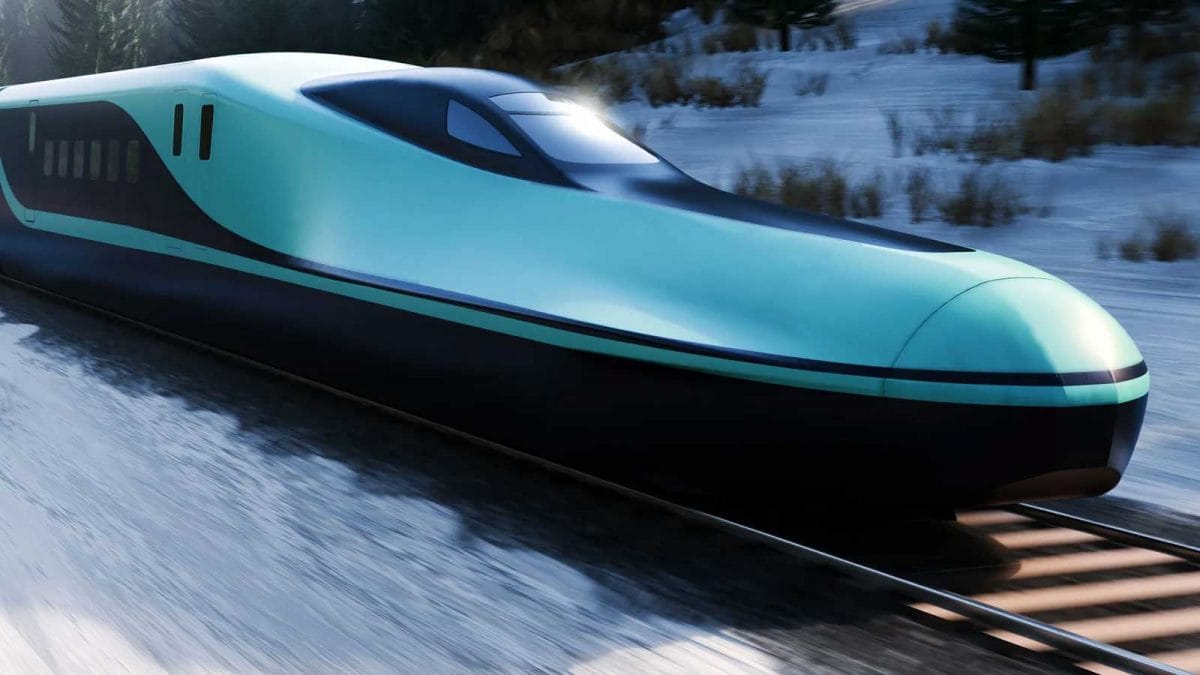
Shinkansen trains boast over 50 years of operation without a single passenger fatality. (Photo Source: X)
Prime Minister Narendra Modi arrived in Tokyo on Friday for a two-day visit. During the 15th India-Japan Annual Summit, he will hold talks with Japanese Prime Minister Shigeru Ishiba. A key highlight of the visit is the introduction of the next-generation E10 Shinkansen trains for India’s Mumbai-Ahmedabad bullet train project.
In July, the Indian Ministry of Railways confirmed that the E10 trains, the successor to Japan’s current E5 Shinkansen, will debut in both countries at the same time.
Mumbai-Ahmedabad Bullet Train: Fast Tracks Ahead
The Mumbai-Ahmedabad bullet train will initially undergo testing with the E5 trains before introducing the E10 series. The Indian Ministry of Railways stated, “The Japanese Shinkansen [system] is currently running E5 trains. Next generation trains are E10. In the spirit of strategic partnership between Japan and India, the Japanese government has agreed to introduce E10 Shinkansen trains in the Mumbai-Ahmedabad Bullet train project. It is noteworthy that E10 will be introduced simultaneously in India and Japan.”
Trials for these high-speed trains are scheduled between 2026 and 2027, with full commercial operations expected by 2027. The trains will link 12 stations across Gujarat, Dadra and Nagar Haveli, and Maharashtra, offering limited-stop services with an end-to-end travel time of just over two hours.
What Is Shinkansen?
Shinkansen, also known as Japan’s bullet trains, are high-speed trains operated by Japan Railways (JR). They run on dedicated tracks connecting major cities across Japan’s main islands: Honshu, Kyushu and Hokkaido. Known worldwide for their speed, efficiency and reliability, Shinkansen trains have become a symbol of Japan’s advanced rail technology.
Speed And Technology
Shinkansen trains run at speeds up to 320 km/h (around 200 mph). Over the years, Japanese engineers improved the technology steadily by raising top speeds from 210 km/h to 320 km/h. Today, these trains carry about 1 million passengers every day and offer a fast and reliable travel experience.
Safety And Reliability
Shinkansen trains are famous for their exceptional safety. In over 50 years of operation, not a single passenger has died. The trains are equipped with advanced safety features that include earthquake sensors and automatic braking systems.
The latest models, like the N700S Supreme, come with full active suspension and a new automatic train control (ATC) braking system that can safely stop the train during earthquakes or other emergencies. The Alpha-X model adds even more advanced technology with air brakes on the roof and magnetic plates near the rails.
Punctuality And Passenger Comfort
These trains are also known for running on time to the second. The average delay for these trains is just 12 seconds. The Alpha X train is one of the fastest trains in Japan and can make the journey from Tokyo to Sapporo in just three hours, which normally takes seven hours.
Not only this, the cars are designed for comfort with spacious forward-facing seats in three classes: Ordinary, Green Car and Gran Class. Standard 16-car trains can carry more than 1,300 passengers. The high-speed tilting mechanism ensures a smooth and quiet ride even at maximum speeds.
Environmental Impact
The Shinkansen is also environmentally friendly. Reports indicate that these bullet trains produce 92% less carbon emissions per seat compared to flights. Their energy-efficient design and minimal environmental impact make them a sustainable option for modern transportation.
Read More